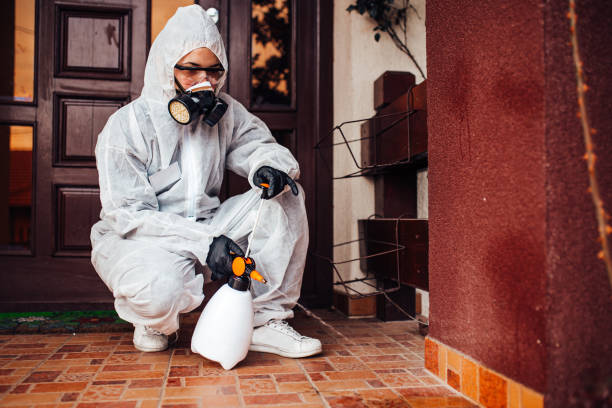
Heavy thumping in the attic at dusk is usually a raccoon, while lighter scurrying at dawn and dusk often points to squirrels — our technicians identify the species before choosing a removal method. Redding wildlife calls spike seasonally as animals seek denning sites for winter or safe spaces to raise spring litters, which shapes how urgently we schedule each case.
We trace scratching, droppings, and damage back to the actual entry gap before recommending trapping or exclusion.
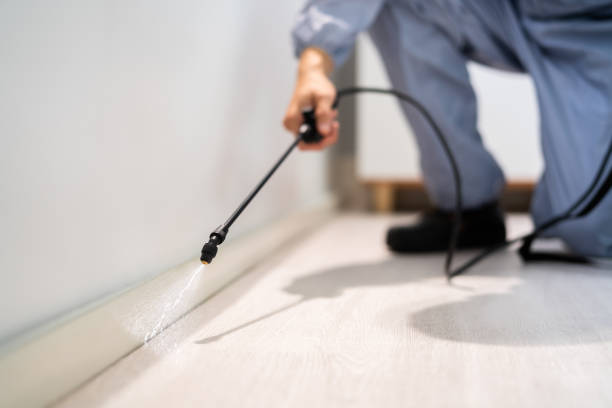
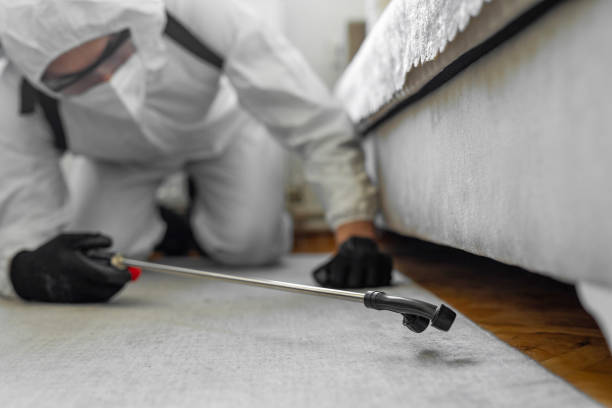

Our Wildlife Pest Control crew is trained specifically on humane trapping methods and species-specific handling regulations.
Wildlife calls involving attic activity or damage get prioritized scheduling given how quickly nesting animals cause structural harm.
Pricing covers trapping, exclusion, and entry-point repair as one flat quote — not billed separately per step.
Our exclusion materials include heavy-gauge hardware cloth and sealant rated for permanent structural gaps.
We install one-way doors at the identified entry point once we've confirmed no young are left behind inside.
Exclusion work includes repairing chewed soffit and vent damage that squirrels use as repeat entry points.
Opossums frequently den under decks, sheds, or in crawl spaces, so trapping focuses on those specific access points.
We install one-way bat valves that let the colony exit at dusk to feed but prevent re-entry.
Wildlife damage repair covers soffit, vent screening, and insulation affected by nesting activity.
Commercial wildlife accounts include recurring exterior checks for new entry points across a property portfolio.

Call +1-866-315-0243 and describe the sounds or damage you're noticing — timing and location help us identify the species before arrival.
A technician arrives with humane traps and exclusion materials suited to the suspected species.
We confirm the species, locate the entry point, and quote a flat price covering trapping and permanent exclusion.
Humane removal and one-way exclusion go in the same visit where possible, with entry points sealed for good.
Heavy thumping in the attic turned out to be a raccoon with young, and the technician handled the timing carefully so nothing was left trapped inside.
Bats were coming out of a gap near the chimney every evening and Nex Pest Control handled the exclusion legally and on the right seasonal timing.
Our apartment complex had recurring opossum activity under a few units and Nex Pest Control set up a wildlife inspection program across the property.
Squirrels had chewed through soffit venting on two sides of the roof before we noticed, and the exclusion repair matched the original material well.

Nex Pest Control dispatches wildlife-certified technicians throughout Redding and nearby communities, with humane trapping and exclusion gear stocked and ready. We service single-family homes, multi-unit properties, and commercial buildings across Redding for nuisance wildlife of every kind.

Timing matters too: bats are typically heard at dusk when they leave to feed, unlike raccoons which are active at night generally.
Trapping removes the current animal, but permanent gap sealing is what actually stops repeat activity.
No — many bat species are protected during certain months to avoid separating flightless young from the colony, so timing follows state regulations.
Humane methods are standard for all wildlife removal, in line with state wildlife handling regulations.
Timing is adjusted to avoid trapping young inside once the parent is excluded.
Yes, we offer damage repair for chewed wiring, insulation, and entry-point structural issues after removal.
One call to +1-866-315-0243 gets a certified wildlife technician on your schedule.
Call +1-866-315-0243